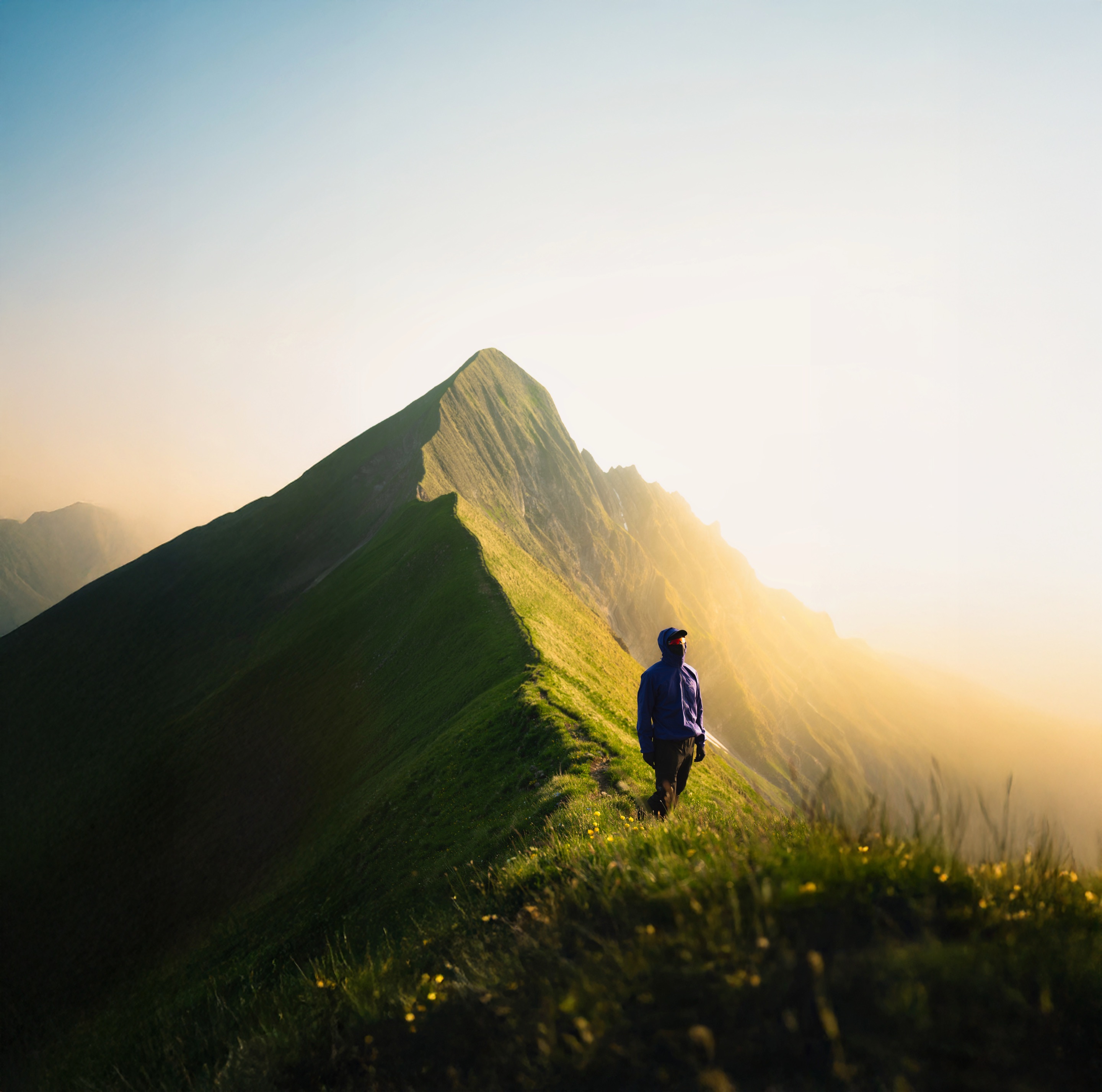
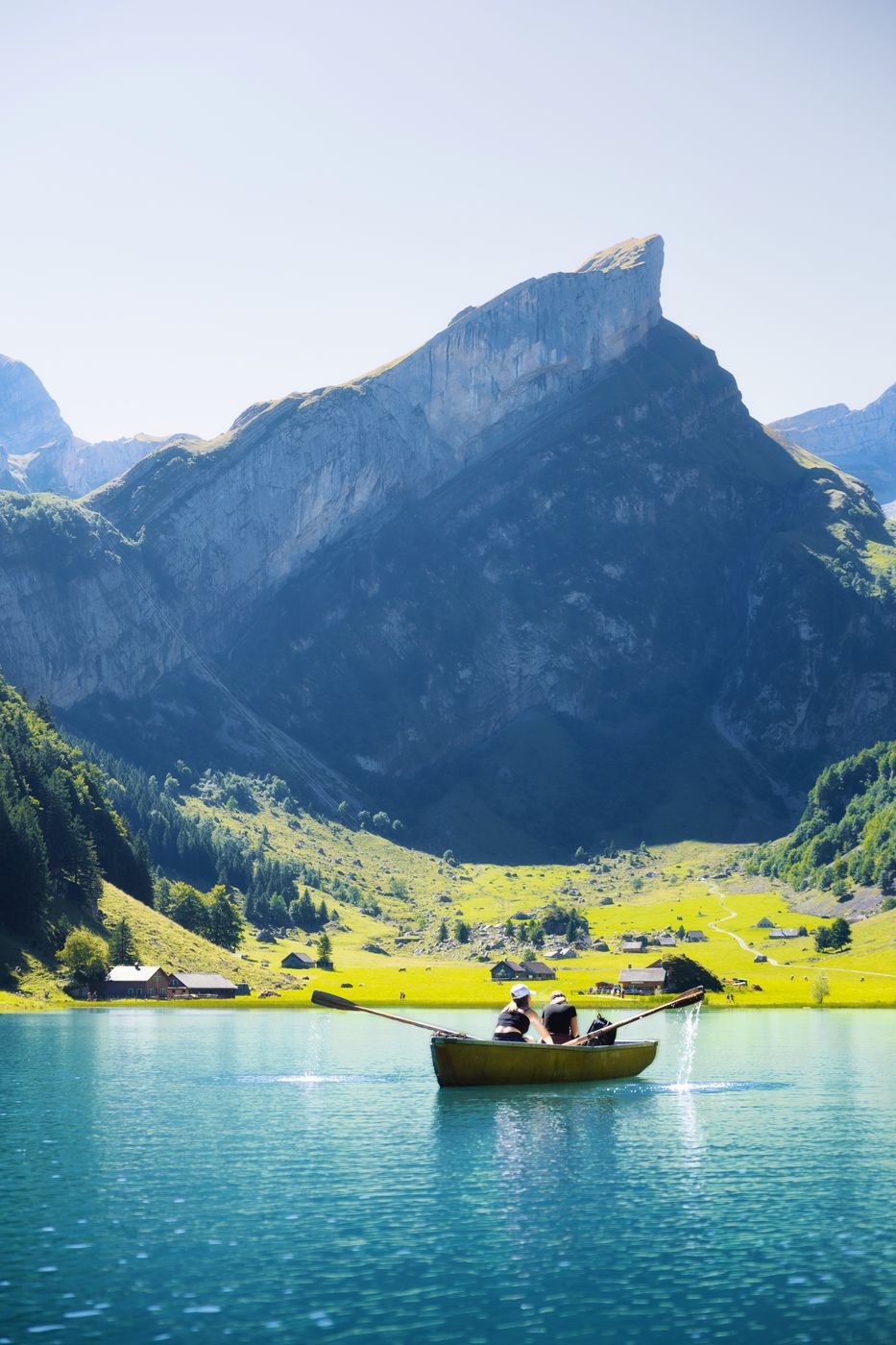
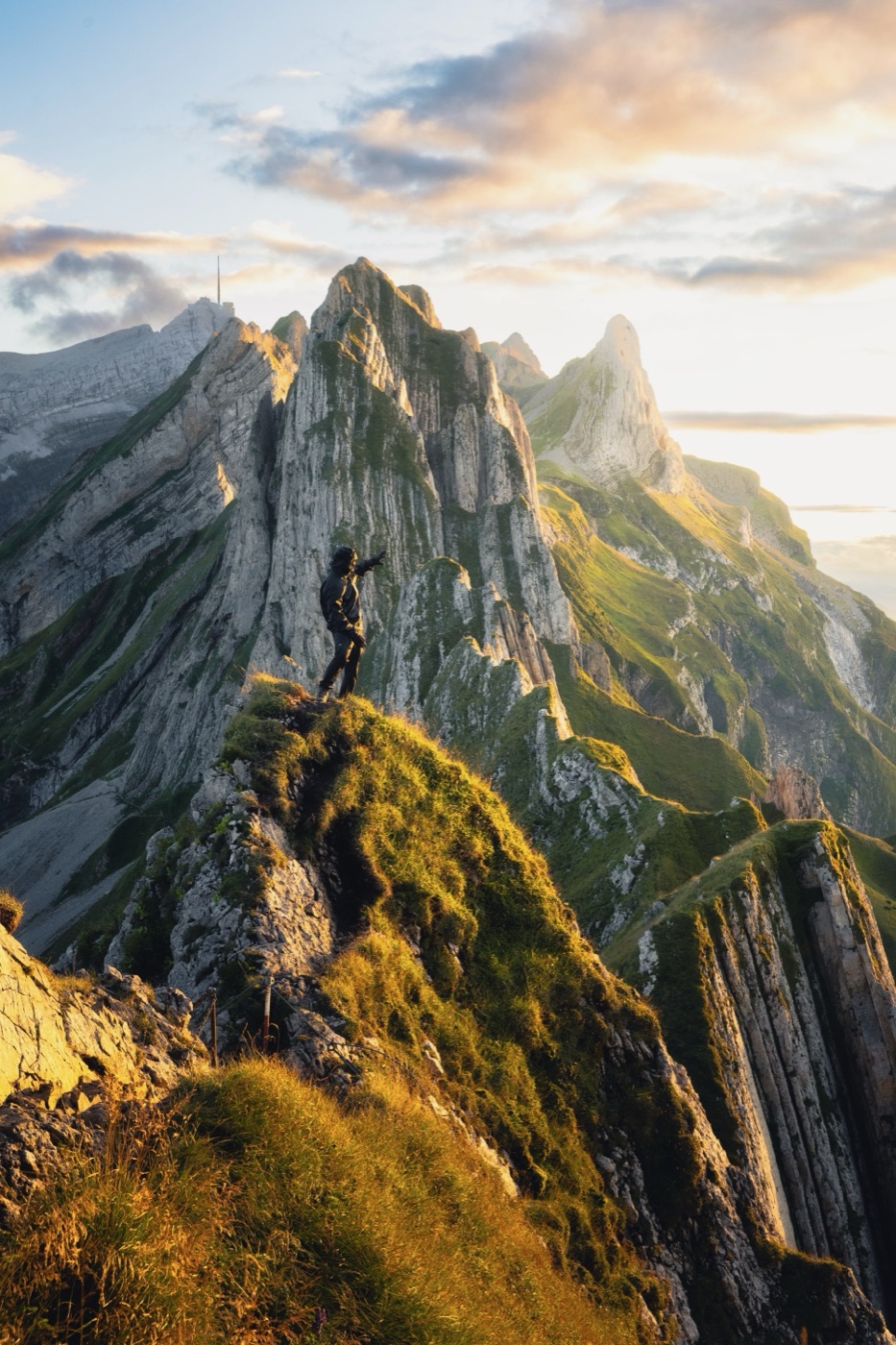
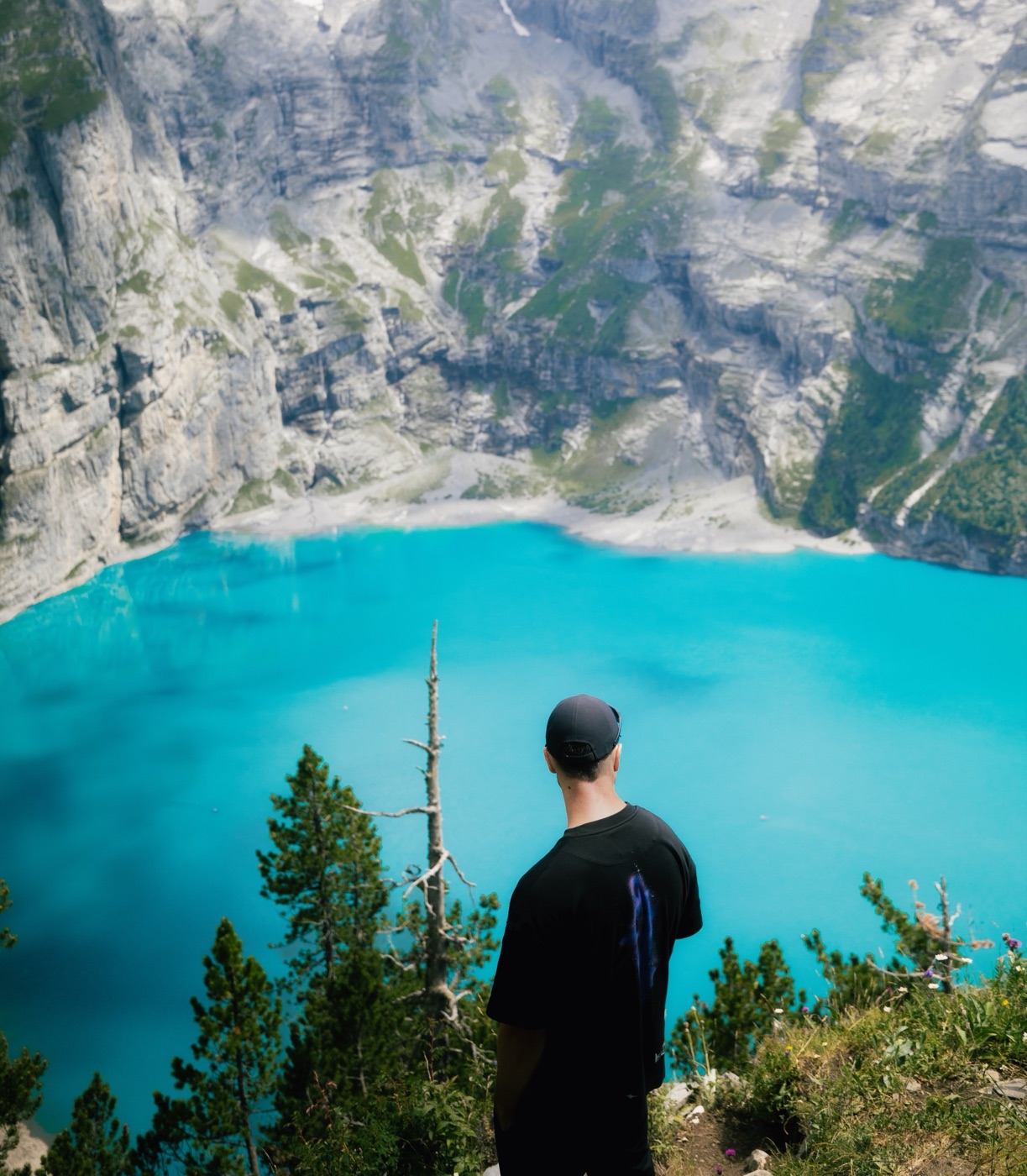
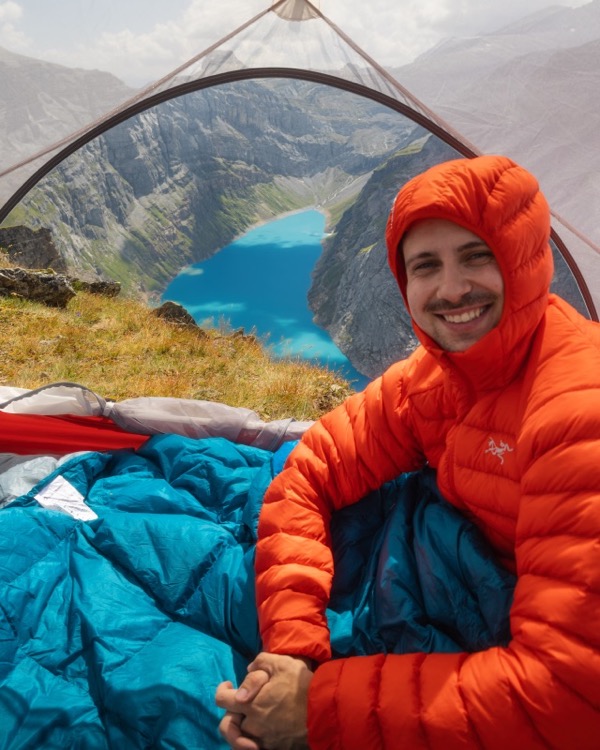
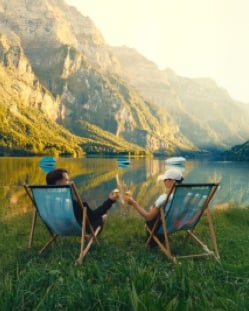
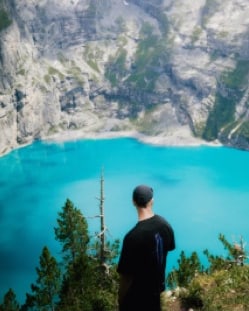
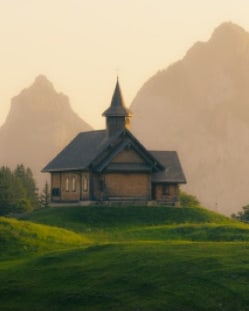
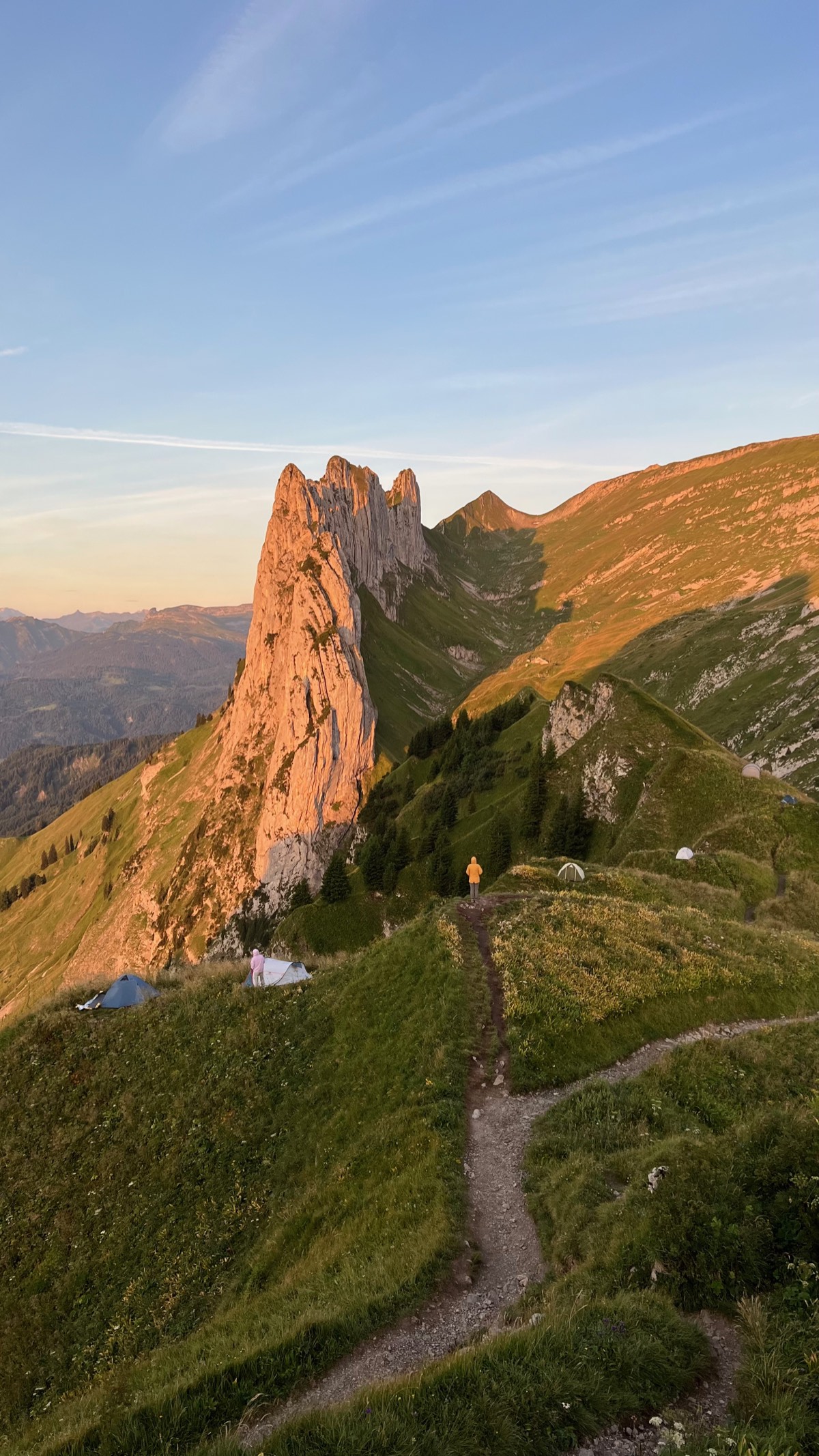
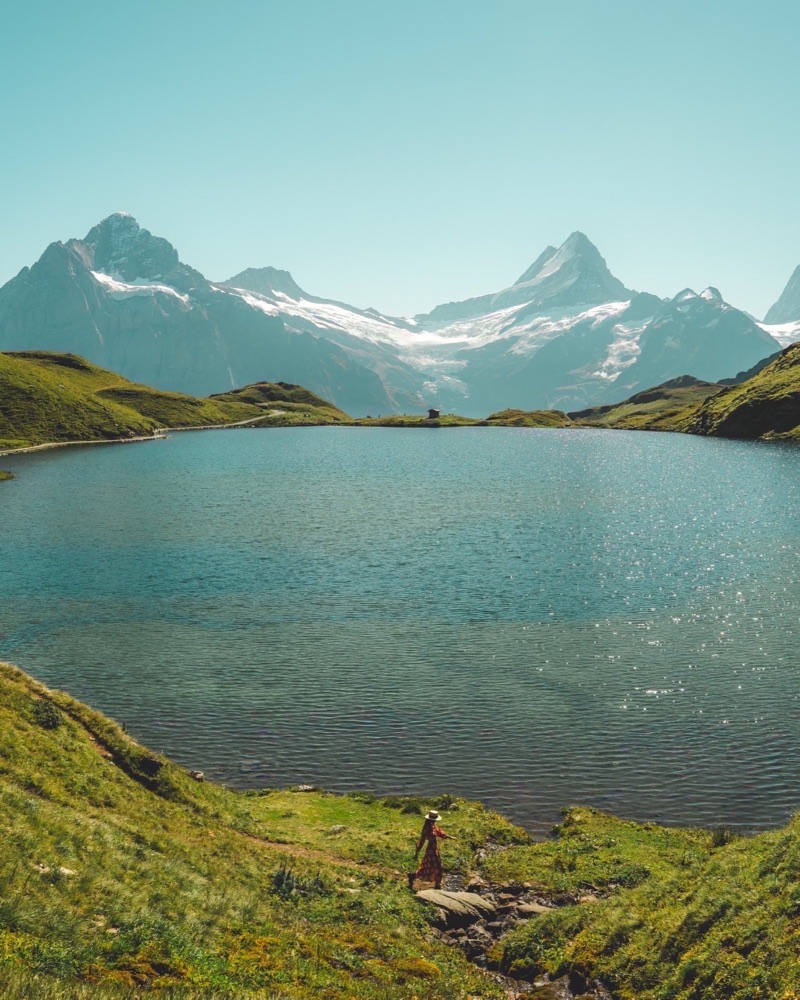
I'm Leon, a Swiss filmmaker and software engineer. I've lived in Switzerland for 27 years and spent a lot of time exploring the Swiss Alps.
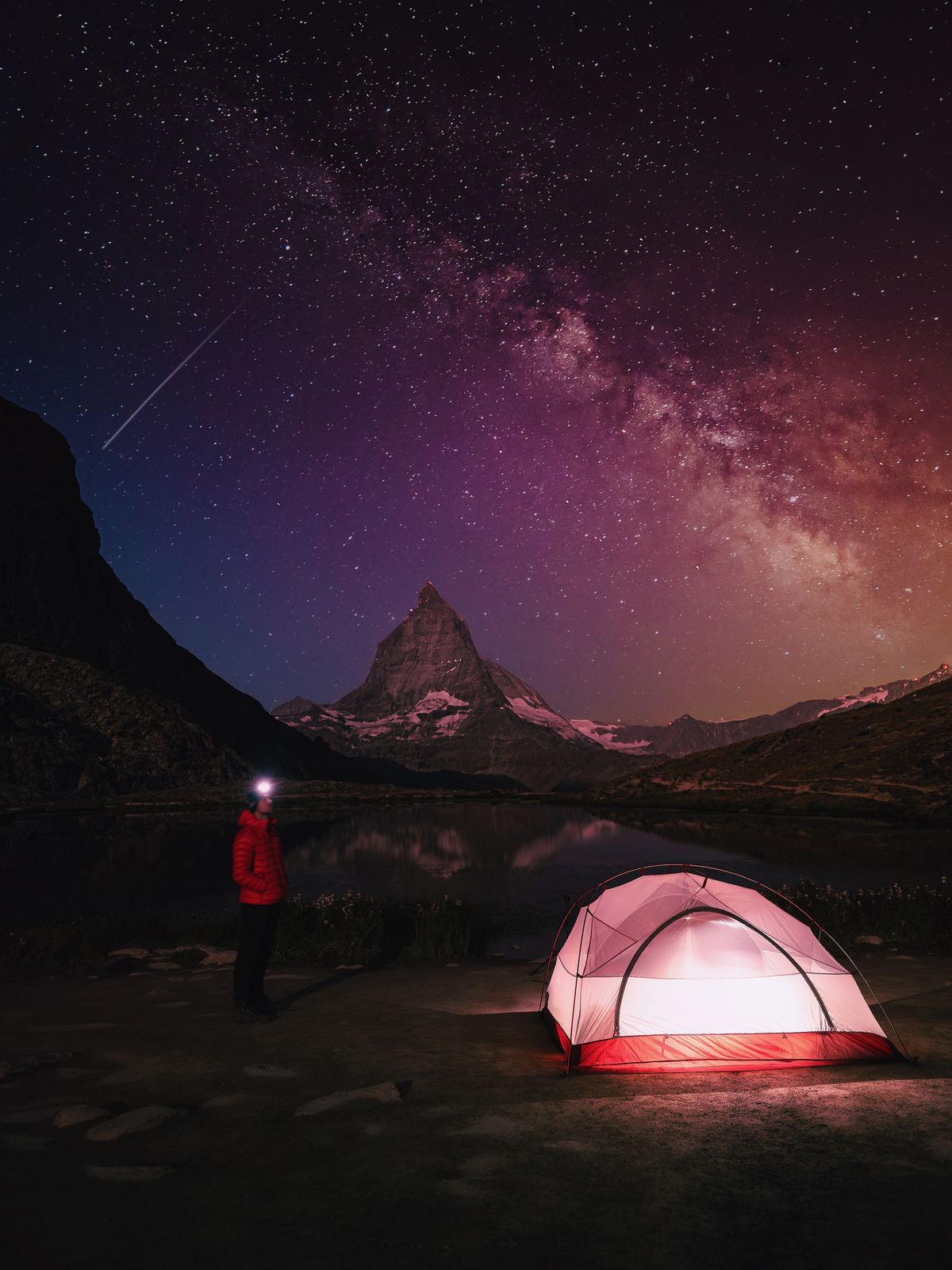
As an IT guy I always needed a balance to touch some grass. Hiking to beautiful places and sleeping outside hits the spot for me. In summer 2025 I started posting some of my adventures on social media.
"Honestly, it's an amazing guide with so many incredible spots. I already know Switzerland pretty well, but I had no idea about some of these places. The information is super useful too and all the details, best timings, sunlight conditions, parking, access, everything. Really recommend it!!!
Thanks a lot for all the dedication you put into this guide bro!"
Wild camping law, hidden spots, practical knowledge from a life in the Swiss mountains plus five years of Hikebeast spot research. No trend reels, no listicles. Long reads, clear sources, verified on the ground.
More than 141 spots in the Swiss Alps, organised by region. For each spot:
Exact GPS for the spot and the parking
Walking time, difficulty, route notes
Best time of day and best season for photography
Wildcamping legal status with reference
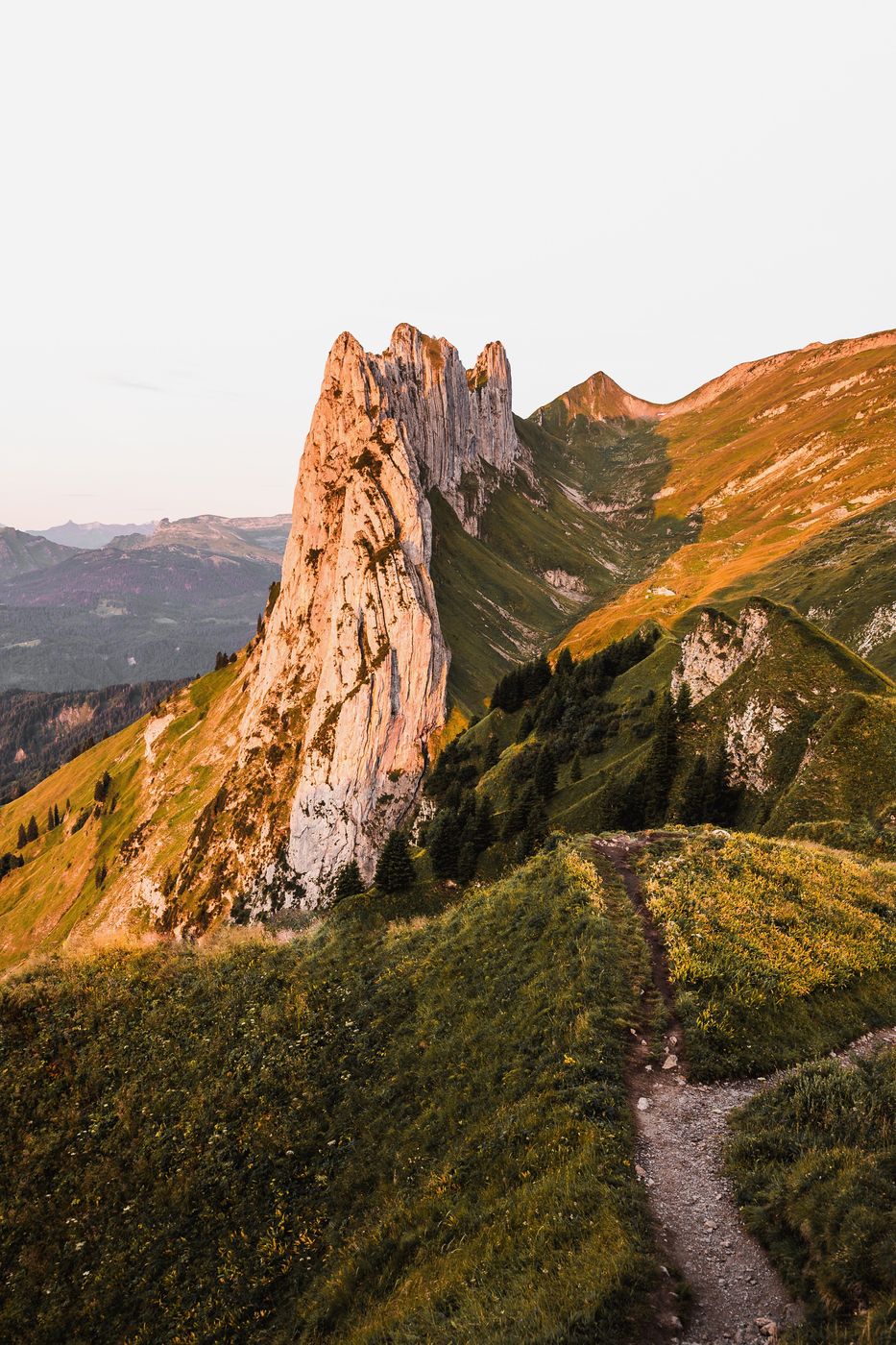
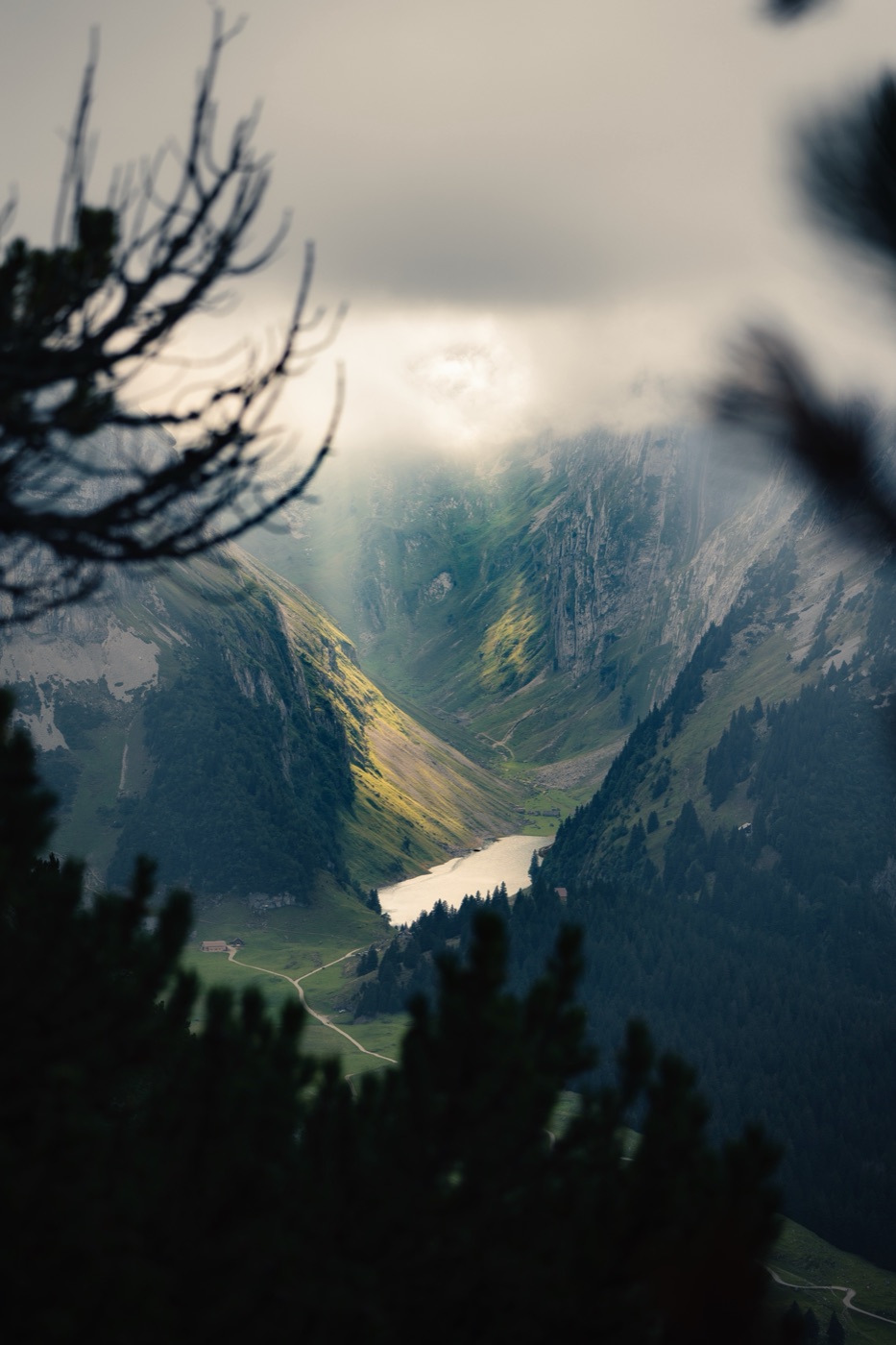
Photos from the spot at the right light
An interactive web app you use on your phone or laptop, plus the PDF as a download you keep.
Is wildcamping legal in Switzerland?
There is no uniform federal law. The Swiss Alpine Club considers a single-night bivouac above the treeline unproblematic when no conflicting regulations apply and the camp is considerate of the environment1. SAC further recommends keeping at least 50 metres from water sources for sanitation. On private land, landowner consent is generally required under Swiss civil law. Wildcamping is forbidden in the Swiss National Park2, in the 43 federal hunting reserves (Eidgenössische Jagdbanngebiete)3, in Wildruhezonen during the protected season, and in cantonal nature reserves. These protected areas can apply at any altitude. Below the treeline, wildcamping is typically further restricted by cantonal and municipal rules. The Gems of Switzerland guide marks the spots with current legal status. Always verify the spot-specific status before you camp. For a single spot you can also run the Wildcamping Legality Checker.
How long does the walk take to reach a typical spot?
Most spots are under 90 minutes one way from a parking. About 20 are drive-up viewpoints with no hiking required. A handful are full-day or multi-day routes. Each spot lists walking time, elevation gain and difficulty so you can pick what fits the day.
What's the best month to hike the Swiss Alps?
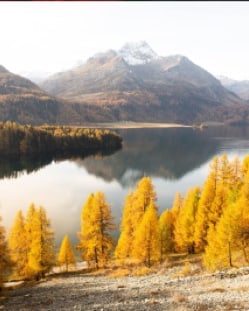
The Swiss Alps hiking season runs from early June to mid-October. Lower valleys, lakes, and waterfalls peak in early June with the snowmelt. Most SAC mountain huts open in mid-June and stay staffed until mid-October4. High-alpine routes above roughly 2,400 metres are typically snow-free from mid-July. Autumn larch colour in the Engadin and Val Bregaglia runs from late September to mid-October, with peak intensity in the second and third week of October5. The guide lists the best window per spot.
Who is Leon Helg?
Swiss wildcamping expert and filmmaker. Has lived in Switzerland for 27 years and has researched the wildcamping rules for more than 280 places. Publishes on Instagram and TikTok as @leon.helg. Hikebeast is his hiking brand and operates under Saftladen GmbH, Rotkreuz, Switzerland.
What does it cost?
One-time payment of CHF 27. No subscription, no upsells.
Sources
Swiss Alpine Club, "Camping and bivouacking in the Alps". sac-cas.ch. ↩
Swiss National Park, 170.3 km² in canton Graubünden. nationalpark.ch. ↩
Federal Office for the Environment (BAFU), 43 federal hunting reserves (Eidgenössische Jagdbanngebiete). bafu.admin.ch. ↩
Swiss Alpine Club, hut directory and opening schedule. sac-cas.ch. ↩